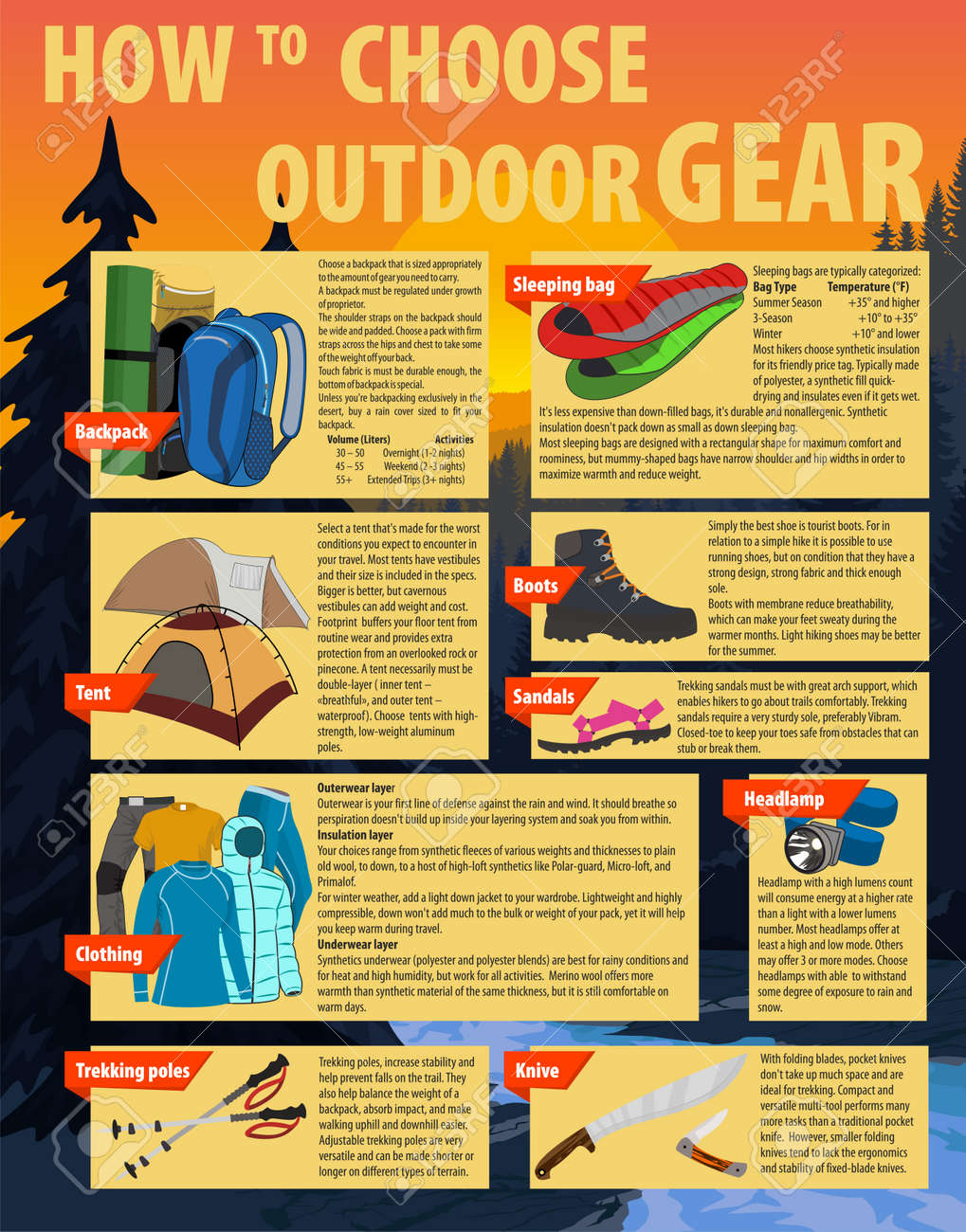
Light-weight Waterproof Materials for Backpacking
Every backpacker ultimately deals with the same trade-off: remaining completely dry versus staying light. Typical waterproofing frequently suggested heavy rubberized fabrics or thick layers that included undesirable bulk to a pack. Fortunately, products scientific research has overtaken the requirements of long-distance hikers, thru-trekkers, and weekend break travelers alike. Today's gear market provides a range of textiles that lost water properly while hardly registering on a range. Recognizing these materials can help you make smarter options when outfitting your following journey.
Why Weight and Waterproofing Frequently Compete
Water-proof performance commonly relied upon dense, tightly woven textiles or hefty laminated finishes. The thicker the obstacle, the much better it resisted water penetration, yet the trade-off was included ounces that accumulate promptly across an outdoor tents, rainfall jacket, pack cover, and dry bags. For backpackers counting every gram, this developed an aggravating dilemma. More recent fabric technologies have largely fixed this by utilizing thinner membrane layers, tighter weaves, and progressed layers that accomplish high hydrostatic head ratings without the mass of older materials.
Dyneema Compound Material (DCF)
Previously referred to as Cuben Fiber, Dyneema Composite Fabric has actually come to be a favorite amongst ultralight backpackers. It's built from a grid of ultra-high-molecular-weight polyethylene fibers sandwiched between layers of polyester film. The result is a fabric that is incredibly strong relative to its weight, totally water-proof naturally rather than with an added coating, and resistant to stretching even when damp. DCF is generally utilized in tents, knapsacks, and stuff sacks. Its main disadvantages are price and a tendency to crinkle loudly, but for those chasing the lightest feasible base weight, it's commonly worth the financial investment.
Silicone-Coated Nylon (Silnylon)
Silnylon has long been a staple in the ultralight area. Nylon textile is impregnated with silicone on one or both sides, creating a water-proof obstacle that stays adaptable and loads down small. It's significantly cheaper than Dyneema and still provides a strong weight-to-durability proportion. One peculiarity worth noting is that silnylon can extend when wet, which sometimes requires re-tensioning guylines on an outdoor tents over night. In spite of this small aggravation, it stays one of the most economical waterproof fabrics readily available for tarps, outdoor tents flies, and pack liners.
Polyurethane-Coated Fabrics
Polyurethane (PU) layers are put on nylon or polyester to create a water-proof layer that's slightly larger than silicone treatments yet typically much more abrasion-resistant. PU-coated fabrics are widely made use of in affordable rain gear and pack covers. While not as cutting-edge as DCF or silnylon, they remain a reliable, affordable choice for backpackers who do not need to cut every possible gram yet still want reputable security from the elements.
ePTFE Membranes (Gore-Tex and Comparable)
Enhanced polytetrafluoroethylene, the innovation behind Gore-Tex, works in different ways than layered materials. Rather than just obstructing water, the membrane consists of microscopic pores that are also small for water droplets to travel through but big sufficient to allow water vapor escape. This makes it a favorite for rain jackets and footwear where breathability matters as high as waterproofing. Newer generations of these membranes have actually come to be thinner and lighter without sacrificing performance, shutting the void with simpler waterproof-only fabrics.
Recycled and Bio-Based Alternatives
Sustainability has come to be an expanding focus in outdoor gear production, and water-proof fabrics are no exception. Recycled polyester and nylon materials, often paired with PFC-free water resistant finishes, now carry out equally to their typical equivalents. Some brands are likewise trying out bio-based membrane layers derived from plant materials as options to petroleum-based choices. While these products are still catching up in raw efficiency metrics, they represent a crucial change toward reducing the environmental impact of backpacking equipment.
Picking the Right Product for Your Journey
The most effective water-proof product relies on your priorities. Thru-hikers chasing the lowest possible base weight typically incline DCF regardless of its greater cost. yurts Budget-conscious backpackers might locate silnylon or PU-coated nylon flawlessly ample for weekend break journeys. Those hiking in chillier, wetter environments where breathability stops overheating and condensation could focus on ePTFE membranes for jackets, even if they're paired with lighter silnylon or DCF for shelters and packs.
Last Ideas
The days of selecting in between a completely dry pack and a light pack are greatly behind us. Advances in fiber innovation, finishings, and membrane design mean backpackers can now find equipment that maintains wetness out without weighing them down. As the market continues to push towards more sustainable and higher-performing fabrics, the equilibrium in between security and portability will only maintain enhancing, making it simpler to remain comfy on the path no matter what the weather brings.